Sixty years ago I embarked on a new path
This coming July 4th will mark the sixtieth anniversary of the day I left Cuba, the island nation where I was born and where I lived for the first 13 years of my life. I came as an unaccompanied minor, leaving behind my parents, my siblings and life as I had known it.
Initially, my family supported the Cuban Revolution. A few months after its January 1, 1959 triumph, however, my family realized that this was a communist revolution, not a pro-democracy, pro social justice movement. The promise of freedom was soon shattered as anyone who questioned the measures being taken by the Revolution was dubbed an enemy of the people, un gusano, a worm. The Revolutionary government started sending people to the paredón, the firing squad, without due process.
At first I did not want to leave the island, much less without my parents. I held to the hope that military action taken by Cubans who had left the island and supported by the United States would free us from the oppressive Castro regime. In April, that military action, the Bay of Pigs invasion, failed. During the ensuing days thousands of Cubans were imprisoned by the regime. My then 15-year-old brother, Alejandro, was detained for two weeks. For my Mom, that was the tipping point. “I tried to keep my children safe and they took my Alejandro,” she wrote me two years later, explaining her decision to convince our Dad that they had to send us away.
When my Dad agreed with my Mom that it was best for us to leave the island if we could, I too was ready to leave without them, or so I thought.
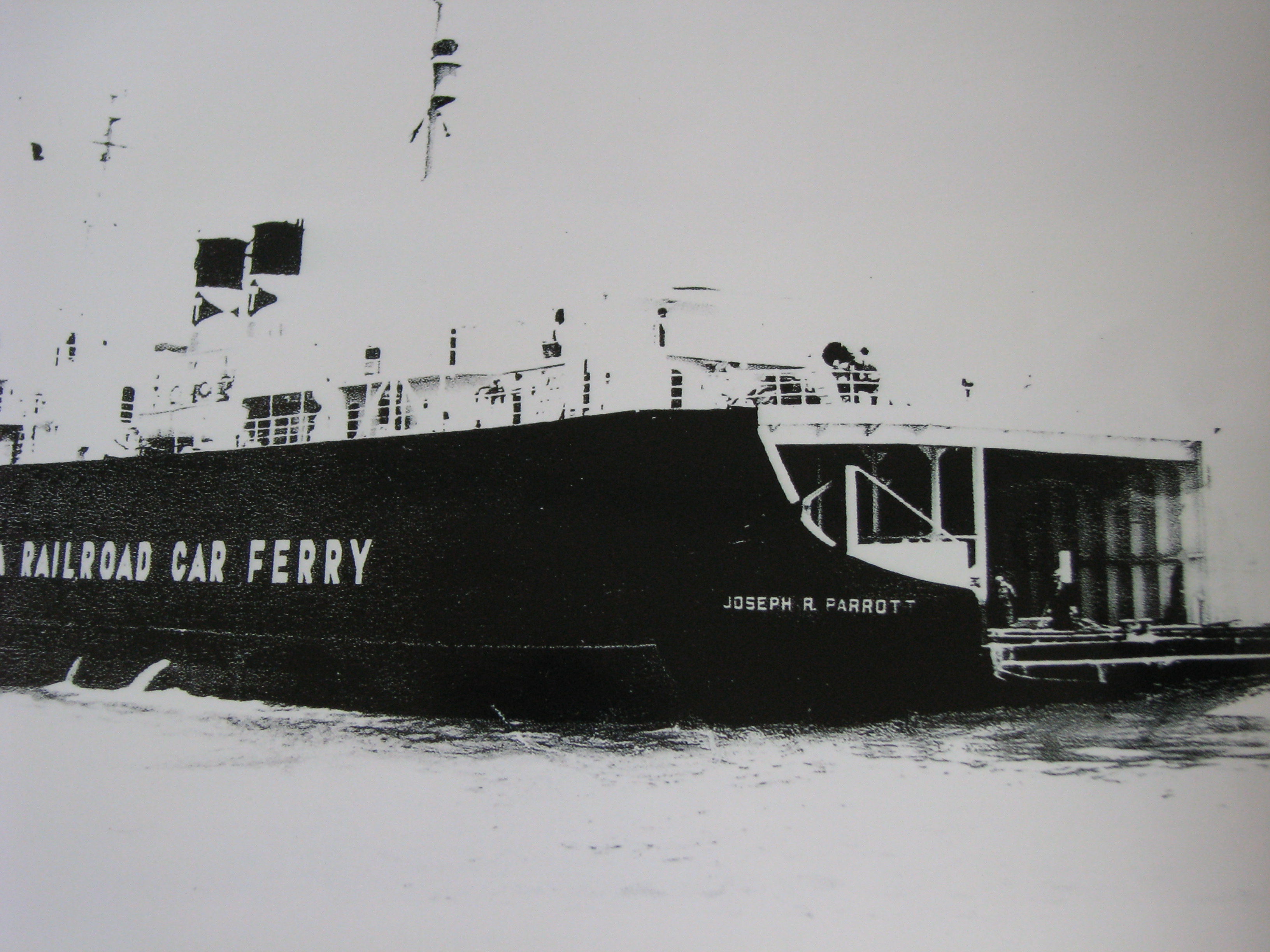
On July 3, 1961 my Mom told me that I had been given a visa waiver to travel to the United States through “that which is called Operation Pedro Pan.” I left on July 4th aboard the Joseph R. Parrot a train ferry that plied the waters between the Port of Havana and the Port of Palm Beach, where I arrived on July 5th. I was to stay with my best friend and her family who had arrived in Miami a year earlier.
People ask me: “What was Operation Pedro Pan?” Operation Pedro Pan was an organized endeavor of the United States government, the Catholic Church, and some concerned people in Cuba that made it possible for parents who could not get permission to leave the island, to send their children to the United States to keep them safe from the Castro regime. More than 14,000 Cuban children arrived in the United States, unaccompanied, from December of 1960 through October of 1962 thanks to Operation Pedro Pan.
People also ask me: “Were you reunited with your family?” Yes, within a year my three brothers arrived, separately, in the United States. It took my parents three years to get permission from the Cuban regime to leave the island. We were reunited in Miami in June of 1964.
Today people ask me: “What do you think of the arrival of thousands of unaccompanied children through our Southern border?” Although the particular circumstances differ, ultimately they are arriving here for the same reason that I came 60 years ago: seeking safety and an environment where one can thrive. Undoubtedly, it was emotionally taxing and I faced difficulties as an unaccompanied child. I also experienced the kindness of friends, extended family and generous Americans who cared for me. My wish is that today’s unaccompanied minors, who in the whole experience greater trauma than I experienced, may receive the kindness, love and generosity that allowed me to thrive in this country.
Sixty years ago I embarked on a new path that changed my life forever. Leviticus 19:34 compels me to treat today’s foreigners with love, as I love myself and as if they were native born, because I was once a foreigner myself. It is in obedience to that commandment that I hope to live the remaining years of my life.
 Justice and Peace Shall Kiss